

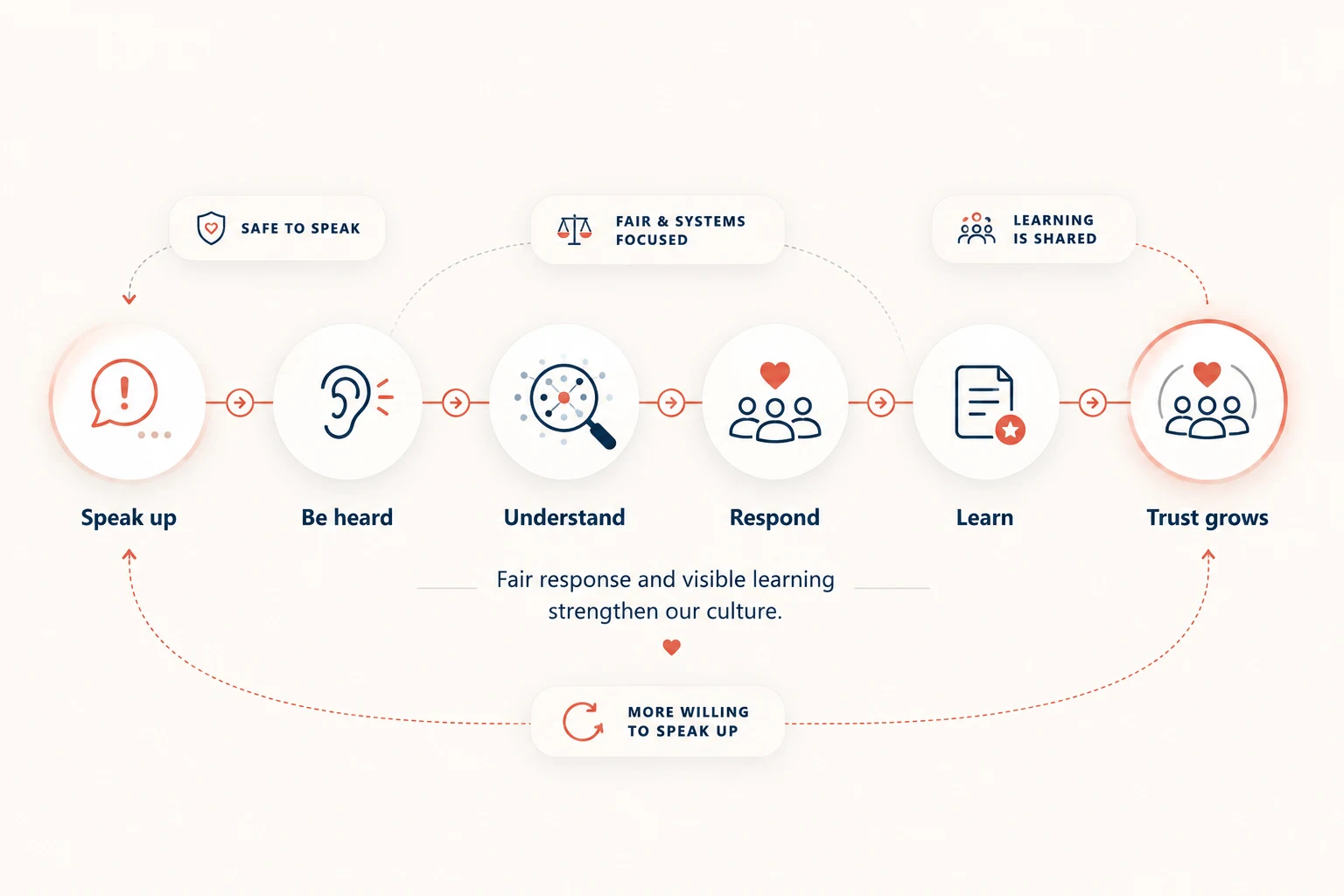
Teams speak up when they trust the response.
When people feel respected, supported, and confident that reporting leads somewhere useful, they are more willing to raise concerns.
A strong safety culture focuses on systems, not blame. When teams feel safe to speak up, we uncover the real issues, take meaningful action, and prevent harm.
Better reviews. Better learning. Better outcomes.
Systems thinking
In patient safety, the most useful question is not simply who made the mistake. It is what conditions allowed this event or near miss to happen, and what can we improve so the risk is less likely to repeat.
Accountability in Nexus means ownership of follow-up, not ownership of blame.
When people feel respected, supported, and confident that reporting leads somewhere useful, they are more willing to raise concerns.
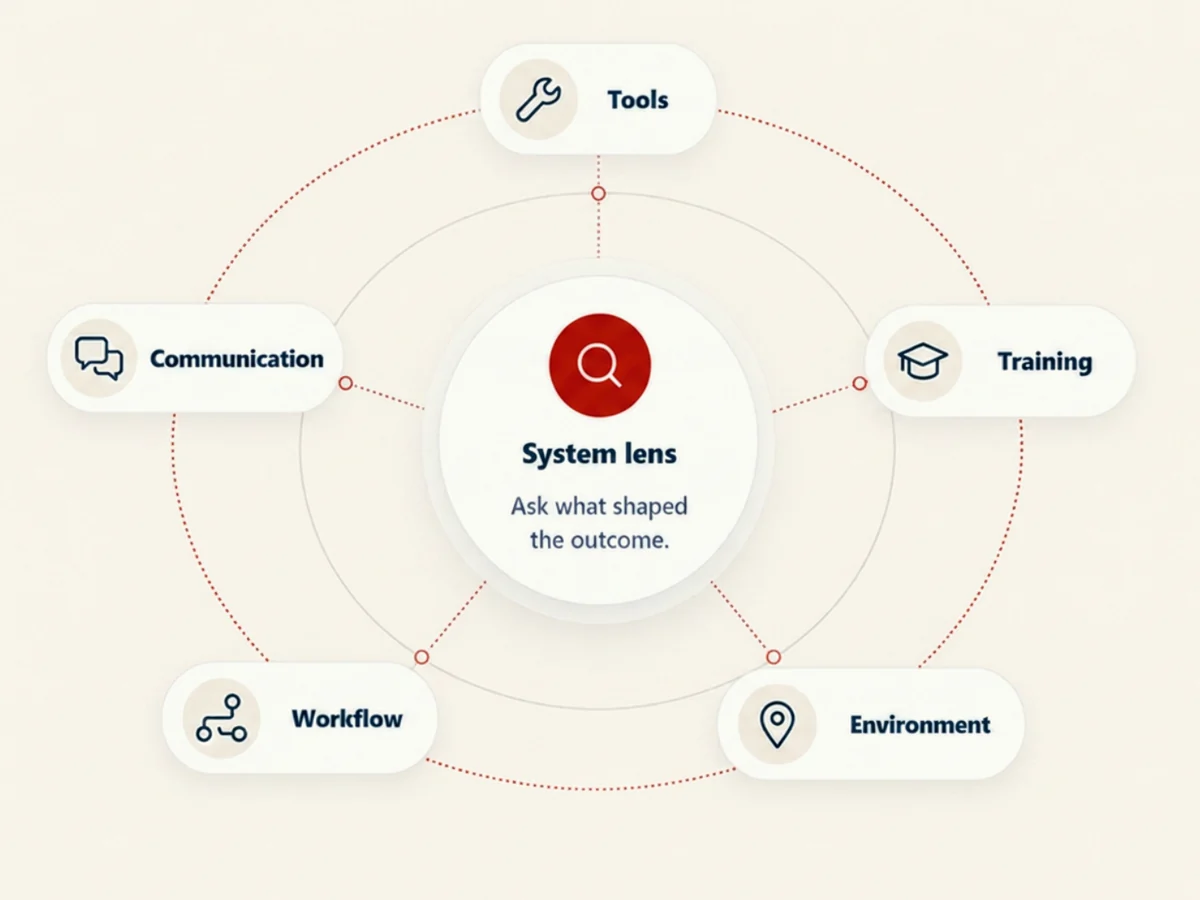
Look at tools, training, environment, communication, and workflow before reducing an event to one person's actions.
A fair culture still expects follow-through. The goal is clear responsibility for improvement without turning responsibility into punishment.
Fair review
Patient safety events often involve communication gaps, workflow friction, unclear handoffs, training needs, policy ambiguity, environmental factors, or competing demands in a busy environment.
The first review step is to understand what happened before deciding what should change.
Support after difficult events
Event severity, context, and the needs of the people involved may indicate that additional support is appropriate alongside the safety review.
Some signals need attention before patient harm tells the story.
When a signal reveals uncertainty, conflicting expectations, or an opportunity to make the safer path clearer for everyone.
When a near miss, recurring concern, or difficult event would benefit from structured discussion of what happened, what made the situation difficult, and what the team needs going forward.
When the human impact of an event suggests that someone involved may benefit from timely acknowledgment, follow-up, and support.
Culture in practice
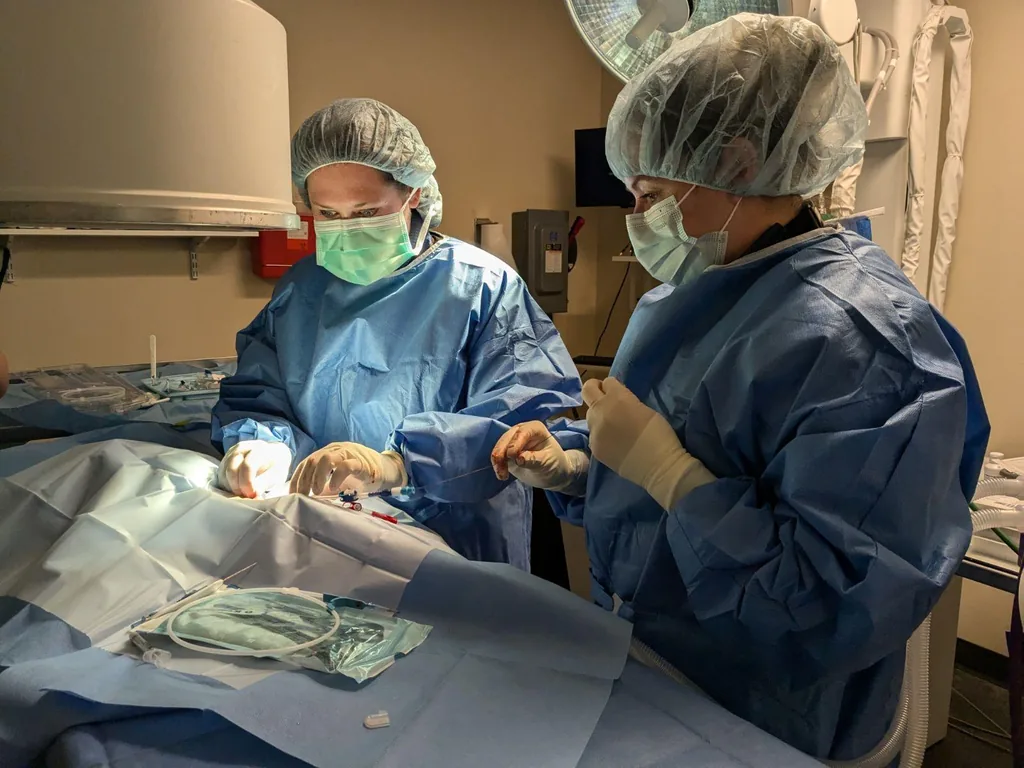
Hard cases happen in every hospital. What defines a safety culture is what comes next: for the patient, and for the person who was there.
Learning loop
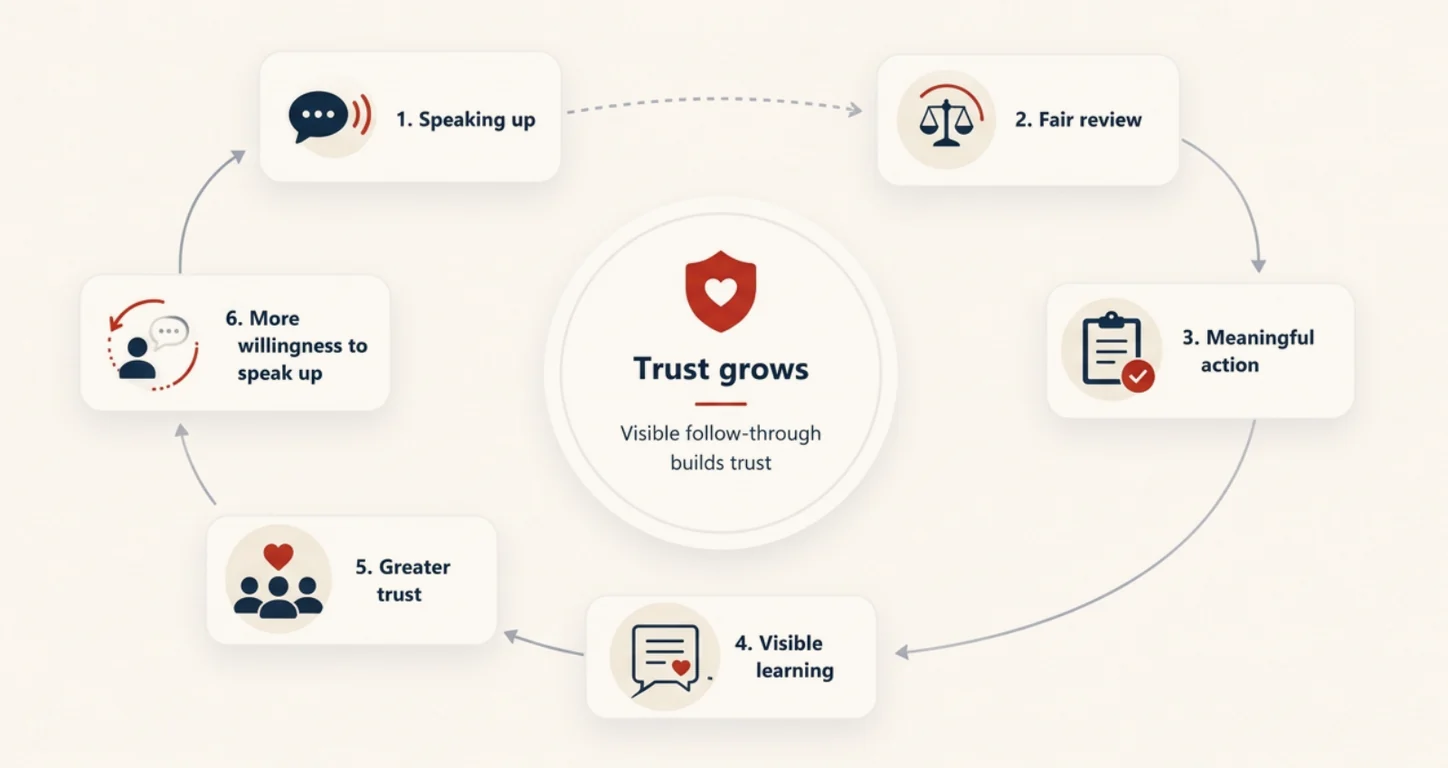
Reporting builds trust only when people can see that concerns are heard, reviewed fairly, acted on, and turned into learning.
Common questions
Accountability is different from blame. Judge the behavior, not the luck of the outcome. A fair review separates error, at-risk behavior, and recklessness, and responds differently to each.
Then that is addressed, and it always was. Systems thinking adds a second step rather than removing the first: after you have dealt with the person, the conditions are still there for the next one.
People don't report for one of two reasons: they are afraid of what happens to them if they speak up, or they have never seen anything come of it when they did. A low report count measures trust, not safety.
We're not a counseling service, and we don't pretend to be. What Nexus does is make sure a serious event doesn't slip through the cracks just because a patient wasn't harmed. Our human impact scoring catches the cases that hit a team hard, even when the clinical outcome was minor, so they get flagged for a debrief the same way a major clinical event would be.
From there, we lean on the people who actually do this work: Not One More Vet, the Veterinary Hope Foundation, and AVMA's wellbeing resources. If someone needs to talk to someone right now, call or text 988, or reach out to NOMV's hotline.
That depends on leadership more than on anything else. Culture does not shift because a policy was published. It shifts when the people in charge commit to it visibly, invest in it, and hold to it when it is inconvenient. Teams read that faster than any announcement, and they recalibrate on whether the last report went anywhere. Nexus is built to make that commitment visible: it shows leaders what is being raised, keeps the follow-through in the open, and gives the team something to see rather than something to take on faith.